Mallawi School Programmes Index Minya · Est. 2018 · ISSN 2735-7016
88+
School programmes indexed
12
Egyptian museums covered
3
Languages of delivery
4
Age bands rated separately
7
Years tracking programmes
Independent index · Minya education desk · For schools and families

What each museum actually does for school groups, workshops and family days.

The Mallawi School Programmes Index is the Minya-based independent index of museum education programmes across twelve major Egyptian museums. We rate each programme by age band (primary lower, primary upper, secondary, mixed-age family), by language of delivery (Arabic, English, occasionally French), by accessibility provision, by curriculum fit against the Egyptian national curriculum, and by the documented booking experience teachers and parents have reported to us. We are read by school education coordinators, museum education-team staff, home-schooling families and a small but growing number of accessibility-policy researchers.
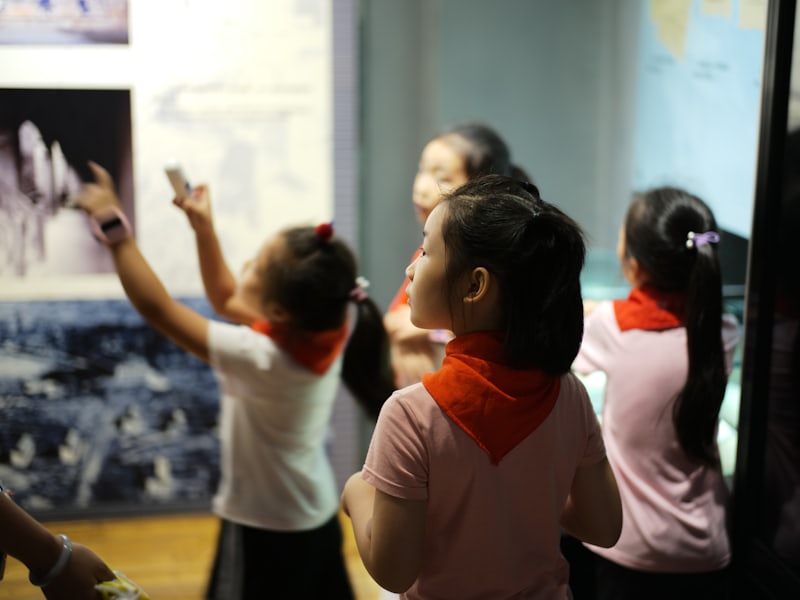
What the index publishes

Three programme categories across four age bands.

The index tracks three programme categories at each of the twelve museums: school-group visits (the typical class-trip programme), workshops (smaller-group hands-on sessions, usually optional add-ons), and family-day events (open-to-the-public events targeted at mixed-age family groups). Each programme is rated separately for the four age bands — primary lower (ages 6 to 9), primary upper (ages 10 to 12), secondary (ages 13 to 17), and mixed-age family — because the same programme can be excellent for one age band and poorly pitched for another. The index publishes the ratings quarterly with detailed commentary by age band and by museum.

Age 6–9 · Primary lower

"Become a young archaeologist"

Grand Egyptian Museum · 90 minutes · Arabic + English

Object-handling session in the GEM's dedicated education studio with three replica artefacts and a guided discovery exercise; one of our top-rated lower-primary programmes for the structured age-pitch.

Class size 25EGP 1 200Wheelchair OK
All primary programmes →
Age 10–14 · Mixed

Mummification workshop

Mummification Museum, Luxor · 2 hours · Arabic + English

Hands-on mummification process workshop with a teaching mummy model; the museum's signature workshop, restricted to two groups of fifteen students per day during school season.

Group 15 maxEGP 950Booking 60 days
Workshop catalogue →
Mixed-age family

"Saturday at the museum"

Coptic Museum · Saturdays year-round · Arabic

Open family programme on Saturday afternoons with a rotating curator-led talk for adults and a parallel children's craft activity in the museum's family studio.

Family ticket EGP 350No booking requiredAges 4+
Family-day events →
How the index is built

Four-stage verification per programme.

Every programme entry in the index goes through a four-stage verification cycle that has been the cooperative's working method since 2018. The cycle is designed for the practical reality that museum education programmes change frequently — staff turnover, curriculum revisions, funding shifts — and that an index built on outdated information is worse than no index at all.

The museum's own published description.

The starting point is the museum's published programme description — typically on the museum's education-team page or in the school-visit booking portal. We log the museum's own wording, the published pricing, the age-band labelling and the booking-process description.

Direct verification with the museum's education team.

The relevant lead editor calls or visits the museum's education-team office to verify the current operational status of the programme — whether it is actually running this season, what the current pricing is at the booking point, and whether the museum's published description matches the team's current practice.

Observed visit by one of our reader-observers.

Most programmes in the index have been observed by one of our reader-observers — a teacher, a parent or a home-schooling adult who has taken a group through the programme and filed a structured observation note with the cooperative. About seventy percent of the index's eighty-eight programmes have at least one observed-visit record on file.

Rating publication with the age-band commentary.

The lead editor produces the rating across the four age bands, with detailed commentary on the strengths and weaknesses of the programme by age band. The published rating is signed by the lead editor and is dated to the quarter of verification.

Why an independent index

Because the museums describe their programmes and the schools experience them differently.

The reality of Egyptian museum education programmes is that the gap between the museum's published programme description and the experience a visiting school group actually has is often substantial. The museum's description typically emphasises pedagogical aspiration; the school visit often delivers something more constrained by staff availability, language capacity, group-size handling and the museum's actual physical capacity that day. The Mallawi Index exists to document the gap and to help schools and families plan visits around the documented reality rather than the published aspiration.

The desk takes no position on which museums or programmes are doing the right or wrong things; we record what is being delivered and we rate it on the four age bands. Where a museum's programme is excellent for upper-primary but poor for secondary (the most common pattern in our index), the rating shows both readings openly. Where a museum's programme has changed materially between quarterly verification cycles, the index records the change and the date of the change. Read more on the about page and the methodology page.

Minya editorial desk with the index's quarterly verification spreadsheet
Reader questions, briefly

The questions school administrators and parents ask first.

Do you sell the museum bookings?

No. The index is editorial only. We do not run a booking widget, do not take commission on any programme booking and do not partner with any museum's commercial channel. Schools book directly with the museum's education team using the contact details we publish.

How do you rate programmes that are excellent for one age but poor for another?

That is exactly the structural reason the index uses four separate age-band ratings. The same programme can score well for upper-primary and poorly for secondary; we publish both ratings with the commentary that explains the divergence. Approximately forty percent of the indexed programmes have a meaningful divergence across age bands.

How current is the index?

The index is verified quarterly — January, April, July, October. Material mid-quarter changes (a programme suspended, a museum's education team disbanded, a new programme launched) are caught in the monthly bulletin. The website tables always show the date of last verification.

How is the index funded?

Reader subscriptions (about fifty-eight percent of revenue), the Mallawi Cultural Foundation education grant (twenty-nine percent), and small consultancy contracts the editors hold (thirteen percent). No museum, ministry or commercial sponsor funds the index. The funding structure is set out on the about page.

Subscribe

One monthly bulletin. Index changes, new programme launches, mid-quarter notices.

Subscribers receive the monthly bulletin emailed on the first Sunday of every month and the full quarterly index a week before public release. Three tiers from twenty-two euros a year.

Subscription tiers Write to the desk